Eyewear Guide · Top Sun Glasses
The Honest Verdict on Goodr Sunglasses: Fun, Fast, and Worth Every Dollar?
They’re bold, they’re affordable, and they’re everywhere on the running trail. But do Goodr sunglasses actually deliver where it counts? We dug into the data, the design, and the real buyer experience to give you the full picture.
On a crisp Saturday morning in Central Park, you’ll spot them within the first half mile — those unmistakably vibrant, retro-framed lenses bobbing past at a 7-minute pace. Goodr sunglasses have quietly become one of the most recognizable accessories in the running community, and for good reason. Born from a desire to make performance eyewear accessible without the sticker shock, the brand has carved out a genuinely enthusiastic following since its founding in 2015. In this guide, we break down exactly what makes Goodr tick — the engineering behind those grippy frames, the honest truth about customer satisfaction scores, and whether these are the right pair for your next race morning or casual weekend jog. Stay with us, because the full picture is more nuanced than the cheerful color palette suggests.
What Are Goodr Sunglasses?
Goodr is an independent American eyewear brand founded in 2015 and headquartered in Los Angeles, California. The company launched with a single, clear mission: make no-bounce, no-slip running sunglasses that cost under $35 without sacrificing the optical performance that serious athletes actually need. Unlike legacy sports eyewear brands that charge a premium for their name alone, Goodr built its identity around personality-first design — every frame in their lineup carries a quirky, often absurdist name that reflects the brand’s irreverent spirit.
The brand operates across several distinct collections, each engineered for a different facial geometry and activity intensity. The original OG collection features a small, circular retro silhouette. The BFGs (Big F***ing Glasses) are oversized wraparounds built for maximum coverage. The Mach Gs introduce a larger, more traditional sport frame profile, while the PHGs (Ph***ing Good Golfer Glasses) are purpose-built for the fairway. All collections share the same core DNA: lightweight nylon or TR90 frames, polarized or non-polarized polycarbonate lenses with UV400 certification, and rubber grip material at the nose bridge and temple tips to prevent slippage during high-output activity.
Goodr’s lenses meet UV400 standards, blocking 100% of UVA and UVB radiation — the same baseline that premium brands like Oakley and Nike charge significantly more to deliver. The polycarbonate lens material is inherently impact-resistant, making these frames genuinely practical for trail running, cycling, and any outdoor pursuit where a lens pop-out could be more than just an inconvenience. Frames weigh between 22 and 28 grams depending on the collection, keeping them firmly in the featherweight category for extended wear.
The brand has grown its catalogue to over 200 colorways and collaborates regularly with running races, athletic brands, and pop culture properties, making limited-edition drops a reliable part of their release strategy. Goodr does not have a parent conglomerate — it remains independently operated, which partly explains both its agility in design and some of the growing pains visible in their customer service infrastructure.

For readers wanting to understand what UV protection and optical standards affordable sport sunglasses should meet regardless of brand or price point, the American Academy of Ophthalmology‘s guide to choosing sunglasses outlines the key criteria — UV400 certification, polarization, and lens category ratings — that apply equally to budget-friendly and premium athletic eyewear.
Why Choose Goodr Sunglasses?
At under $35 for most models, Goodr occupies a price point that makes premium running sunglasses accessible to athletes who refuse to spend $150 on a pair they might sweat off on a muddy trail. That’s not a compromise position — it’s a deliberate design philosophy that has won Goodr genuine loyalty among recreational runners, ultramarathoners, and casual cyclists alike. The value-to-performance ratio here is hard to argue with when you consider what you’re actually getting in the box.
The no-bounce, no-slip engineering is the headline feature that separates Goodr from generic sport frames at a similar price. The combination of a lightweight TR90 frame — the same material used in high-end sport frames costing three times as much — and rubber grip inserts at the nose and temples means these glasses stay planted through tempo runs, hill repeats, and even the aggressive head movement of a sprint finish. For running sunglasses, this is the fundamental promise, and Goodr largely delivers on it.
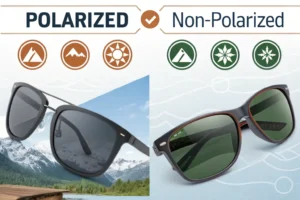
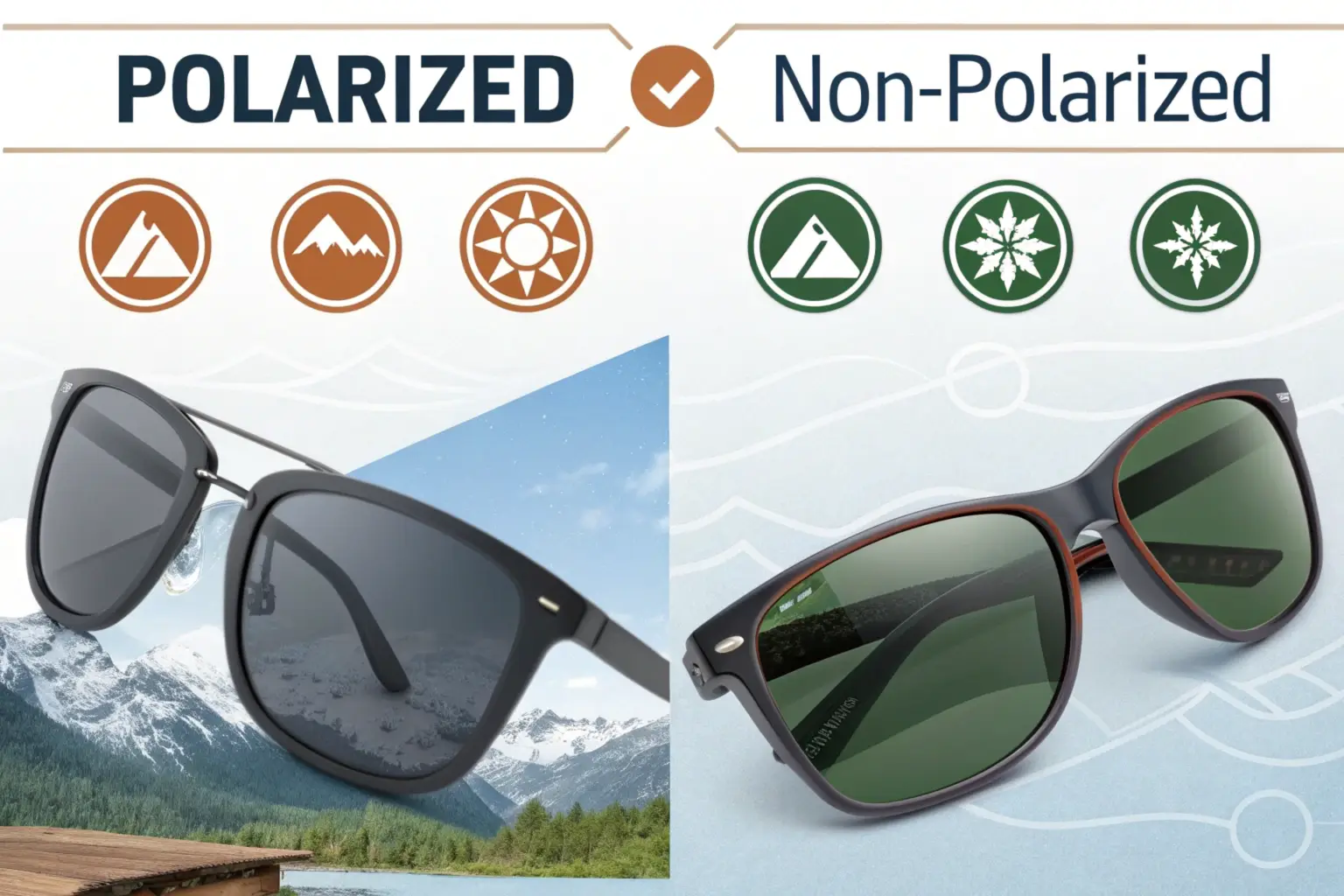
The UV400 certification ensures complete UVA and UVB protection across all lenses, regardless of color or tint. This is non-negotiable for any outdoor eyewear, and the fact that Goodr meets this standard at an entry-level price point removes a common concern about budget-friendly sport frames. Polarized options are available across multiple collections, providing genuine glare reduction that matters on bright tarmac, open water, or reflective snow.
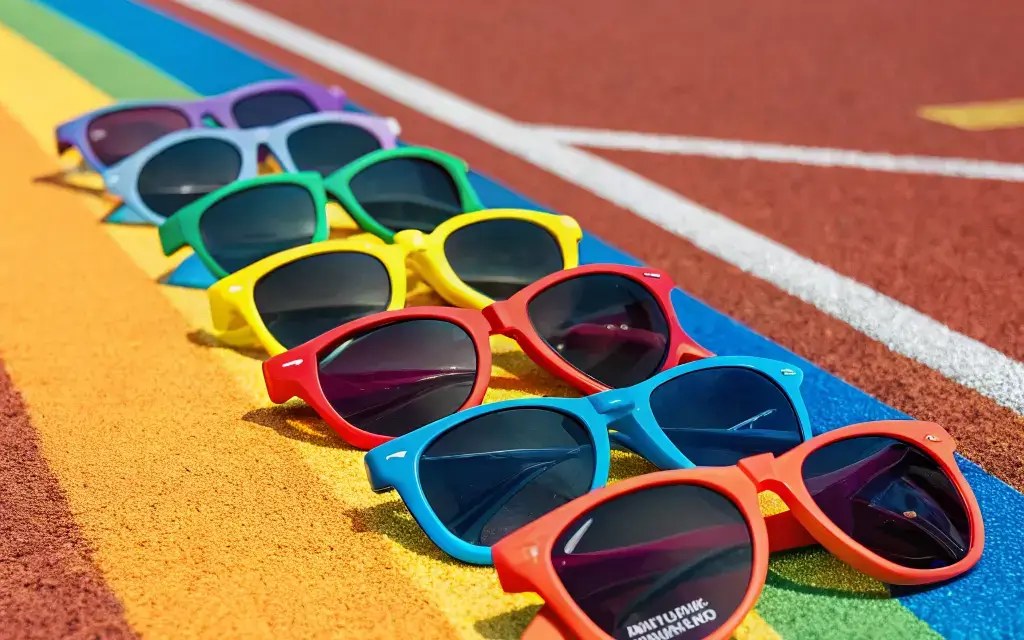
Beyond the technical specs, Goodr’s commitment to joyful, expressive design gives runners something that most performance brands overlook entirely: personality. These aren’t tools you endure — they’re accessories you actually enjoy wearing. And with over 200 colorways in rotation, finding a pair that reflects your aesthetic is part of the fun. As a running sunglasses choice that doesn’t force you to choose between performance and self-expression, Goodr stands in genuinely rare company at this price tier.
Key Features to Look For in Goodr Frames
Frame material and weight are the first things to evaluate. Goodr uses TR90 thermoplastic nylon across most of its collections — a flexible, memory-resistant polymer that returns to its original shape after bending rather than snapping. At 22–28 grams, these frames fall below the threshold where you begin to feel weight on a long run. The OG and PHG collections sit at the lighter end of that range, while the BFG and Mach G frames carry slightly more material due to their larger surface area.
Lens technology is where the meaningful differentiation happens within the Goodr range. All lenses are polycarbonate, offering natural impact resistance without the added weight of glass. UV400 certification is standard across the entire line. The polarized versions — available in the Mach G, BFG, and select OG colorways — use a laminated polarizing film layer that effectively cuts glare from horizontal surfaces like wet roads, open water, and packed sand. For trail runners and road cyclists, polarized lenses are worth the modest price premium Goodr charges within their own lineup.
Grip and fit system deserves serious attention for any activity that generates sweat. Goodr’s proprietary rubber nose pads and temple grip inserts are molded directly into the frame rather than added as afterthoughts. This matters because attached grips tend to degrade and fall off; Goodr’s integrated system maintains its tackiness wash after wash. The OG frames fit a medium-width face most naturally, while the BFGs accommodate wider face profiles and higher-coverage needs.
Lens coverage and category rating vary by collection. The OG frames offer a snug, retro-round coverage that suits most urban and road activities. The BFGs provide Category 3 equivalent coverage — blocking 82–92% of visible light — making them better suited to high-altitude trail running or open-water activities where glare intensity is elevated. For everyday city running or gym-to-street transitions, any collection in the Goodr lineup performs competently.
Durability and replaceability round out the practical checklist. At sub-$35 pricing, Goodr occupies a unique position: they’re affordable enough that replacing a scratched or damaged pair doesn’t require a budget conversation. The polycarbonate lenses resist shattering but will scratch under abrasive contact — store them in the included soft pouch to extend lens life significantly.
Goodr Sunglasses for Affordable Sports Sunglasses Seekers: Who These Frames Actually Fit
Picture yourself lining up at the start of a half marathon — 6 AM, overcast sky threatening to open up, and 500 runners doing the same pre-race fidget. The last thing on your mind should be whether your sunglasses are going to migrate down your nose by mile four. This is precisely the scenario Goodr was designed for, and it’s where their frames earn their reputation most convincingly.
For runners training in the $25–$40 budget range for affordable sports sunglasses, Goodr represents the clearest choice in the market. There are cheaper frames, certainly — but they tend to sacrifice either optical quality, fit stability, or UV protection. There are better-performing frames above this price tier, but the performance gap between a $35 Goodr and a $120 Oakley Radar EV is far smaller than the price gap suggests for the vast majority of recreational athletes.
The OG collection’s circular silhouette works best on oval and heart-shaped faces, where the compact frame size doesn’t overwhelm facial proportions. The Mach G collection, with its wider, more angular profile, suits square and rectangular face shapes and provides additional peripheral coverage for cyclists who need a broader field of vision. The BFG collection is the natural pick for runners with wider face widths or those who simply prefer more aggressive UV coverage — think high-desert trail running or a long summer beach race.
Goodr also hits a sweet spot for athletes who want their gear to participate in the culture of the sport rather than just service it. Running is increasingly aesthetic — what you wear matters to the community in ways that weren’t true ten years ago. The brand’s playful naming conventions and bold color blocking make these glasses conversation starters at race expos and group runs. That cultural fit is genuinely part of the product’s value proposition, and it explains why the brand has maintained strong word-of-mouth growth with minimal traditional advertising spend.

Customer Ratings: What 25+ Verified Buyers Report
| Platform | Rating | Reviews |
|---|---|---|
| Trustpilot – RUN goodr (US) | ★★☆☆☆ 2.5/5 | 10 |
| Trustpilot – goodr.ca (Canada) | ★★☆☆☆ 2.3/5 | 7 |
The gap between Goodr’s overall product enthusiasm and the Trustpilot scores tells an important story. These Trustpilot ratings almost certainly reflect the direct-to-consumer shopping and post-purchase service experience — shipping delays, returns processing, and communication responsiveness — rather than the frames themselves. It’s a pattern common to fast-growing independent brands that scale their product line faster than their support infrastructure. The brand’s products enjoy strong advocacy in running communities, fitness forums, and retail channels, but customers who encounter friction with an online order are statistically more motivated to leave a review than satisfied buyers who received their frames without issue. Our concrete advice: purchase Goodr through a trusted third-party retailer like REI or Running Warehouse if you want both the product and a reliable post-purchase service safety net.
What Real Buyers Are Saying
The verified review pool for Goodr’s direct channels is limited in volume, which itself signals something worth paying attention to. The reviews that do exist skew toward the service experience — offering a candid window into what happens after the purchase, not just during it.
Pros & Cons at a Glance
✅ What We Love
- Genuinely accessible price point makes quality running sunglasses available to athletes at every budget level
- An exceptionally wide variety of bold, creative colorways and styles keeps the lineup fresh season after season
- Integrated no-slip rubber grip at the nose bridge and temples keeps frames locked during high-sweat, high-output activity
- Polarized lenses are available across multiple collections, offering real glare reduction without a significant price jump
⚠️ What to Consider
- Customer service ratings on official Trustpilot store channels are notably low — consider purchasing through a trusted retailer to ensure post-purchase support
- Lens and frame quality can feel inconsistent between different collections and colorways, so reading specific model reviews before buying is worthwhile
- The limited volume of verified customer testimonials makes it harder to build a complete picture of long-term ownership satisfaction
Our Verdict
Goodr has built something genuinely valuable: a sport eyewear product that performs competently at a price that removes the barrier for casual athletes and serious runners alike. The UV400 certification, no-slip grip system, and featherweight TR90 construction are real engineering achievements at the $25–$35 price tier, not marketing shorthand. The breadth of styles ensures there’s a frame silhouette for most face shapes, and the polarized options across multiple collections show that the brand is investing in optical quality rather than coasting on design novelty.
The honest caveat is this: the low Trustpilot scores across Goodr’s direct online stores — 2.5 on the US channel and 2.3 in Canada — represent a real and consistent pattern of post-purchase friction. These aren’t product reviews; they’re service reviews. But service friction is still friction, and for customers who need responsive support during a return or exchange, the direct channel has not been reliable. This is the single most important caveat in the buying decision.
Buy Goodr if you’re a runner, cyclist, or outdoor enthusiast who wants well-engineered, expressive eyewear without paying premium-brand prices. Skip the direct website if customer service responsiveness matters to you — instead, purchase through REI, Running Warehouse, or another authorized specialty retailer where you have a reliable return safety net. The product delivers; the shopping experience is the variable worth managing.
Ready to Find Your Perfect Pair?
Explore our curated guides and expert reviews to find the perfect sunglasses for your style.
How to Choose the Right Pair of Goodr Frames
Face shape is the most practical starting point. Oval faces have the most flexibility — nearly every Goodr collection flatters an oval face, making the OG circular frames a natural default choice. Round faces benefit from the more angular Mach G silhouette, which adds definition to soft facial contours. Square and rectangular faces are well-served by the BFG collection’s oversized rounded frames, which balance strong jawlines with a softer upper line. Heart-shaped faces — wider at the forehead, narrower at the chin — typically do best with the PHG collection’s wider-bottomed frames that visually balance upper and lower face proportions.
Lifestyle fit should drive your collection choice more than aesthetics alone. If you’re primarily a road runner doing early morning or evening miles, non-polarized lenses in a lighter tint are more versatile in variable light. For midday trail runs, high-altitude hikes, or cycling on open roads, the polarized BFG or Mach G options provide the kind of sustained glare protection that makes a real difference in eye fatigue over long efforts. For anyone researching the best sunglasses for running specifically, the polarized Mach G is the single most performance-oriented pick in the Goodr lineup.
Budget reality with Goodr is refreshingly simple. At $25–$35 per pair, the total cost of ownership calculation changes fundamentally compared to premium eyewear. Buying two pairs — one polarized for bright conditions, one standard tint for overcast days — still costs less than a single mid-tier Oakley or Smith frame. The question isn’t whether you can afford Goodr; it’s whether the no-frills case and lack of prescription compatibility are acceptable trade-offs for your specific needs. For a broader look at how Goodr compares to other sport and outdoor eyewear options, our guide to the best sunglasses for outdoor activities covers the full competitive landscape across multiple price points.
Authenticity verification for Goodr is straightforward: genuine frames ship with a small drawstring microfiber pouch, a small sticker card, and Goodr branding on both temples. The lens should be free of distortion when you look through them at a straight line — any warping indicates a counterfeit or defective lens. Purchase only from Goodr’s own website or authorized running specialty retailers to avoid the counterfeit market that has grown around the brand’s popularity.
Goodr sunglasses represent a specific and well-executed bet: that performance and personality don’t have to cost a premium, and that the best sunglasses for running don’t need to look like medical equipment. The frames hold up on the roads, the polarized options perform honestly on the trail, and the variety ensures you’ll find a colorway you actually want to put on every morning. Manage the direct-to-consumer service risk by shopping smart, and Goodr becomes one of the most defensible purchases in your running kit — a piece of gear that performs its job without demanding your attention, and looks good doing it.
“At $35 with UV400 certification and no-slip TR90 construction, Goodr proves that the floor for serious running eyewear is lower than the industry ever wanted you to believe.”