Eyewear Guide · Top Sun Glasses
The Independent Buyer’s Guide to Luxury Eyewear: Heritage, Craft, and What the Ratings Actually Tell You
This guide examines the luxury eyewear market — its design standards, material construction, retail landscape, and what verified buyers report across multiple platforms.
The market for luxury eyewear has expanded considerably over the past decade, drawing in independent retailers, authorized dealers, and grey-market resellers operating across a wide spectrum of price points and product authenticity. This article analyzes the luxury eyewear retail segment — specifically the platforms and collections available through independent luxury retailers such as Aureclip and GM Eyewear — examining heritage, design philosophy, material standards, and what a modest but consistent body of verified customer feedback reveals about the actual ownership experience. No segment of the accessories market rewards careful research more than luxury eyewear.
A 4.2/5 aggregate rating across two independent retail platforms indicates consistent buyer satisfaction at the product level. The alignment between Aureclip and GM Eyewear’s scores — both returning 4.2 — suggests that the rating reflects product quality rather than platform-specific service variables. However, with only 6+ verified reviews in the data set, the statistical significance is limited; this is a promising signal, not a definitive verdict. Buyers researching luxury eyewear through these platforms should treat this rating as directionally positive while recognizing that the review volume remains insufficient for comprehensive trend analysis. Based on available data, Aureclip provides the most quantified review base for purchase-decision research.
The Heritage Behind Luxury Eyewear
The independent luxury eyewear retail sector traces its commercial roots to the post-2000 expansion of designer licensing. Brands that historically distributed only through flagship boutiques and select opticians began granting wholesale rights to specialist retailers. Platforms like Aureclip and GM Eyewear entered this space as curated resellers, sourcing authenticated frames from established European and American luxury eyewear brands across both the sun and optical categories.GM Eyewear operates as an independent luxury retail proposition, positioning itself in the same tier as specialist watch or pen retailers — category experts rather than general department-store buyers. Aureclip follows a comparable model, aggregating designer brands under one digital roof. Neither is a direct manufacturer; both function as retail intermediaries in the broader luxury eyewear ecosystem. Luxury reading glasses form a meaningful part of both platforms’ catalogues, reflecting growing demand for prescription-ready designer frames.For context on how the broader designer eyewear market is currently structured and which houses are considered benchmark references, Vogue’s authoritative roundup of the best designer sunglasses provides a useful overview of the labels that independent retailers like these are stocking and competing to carry.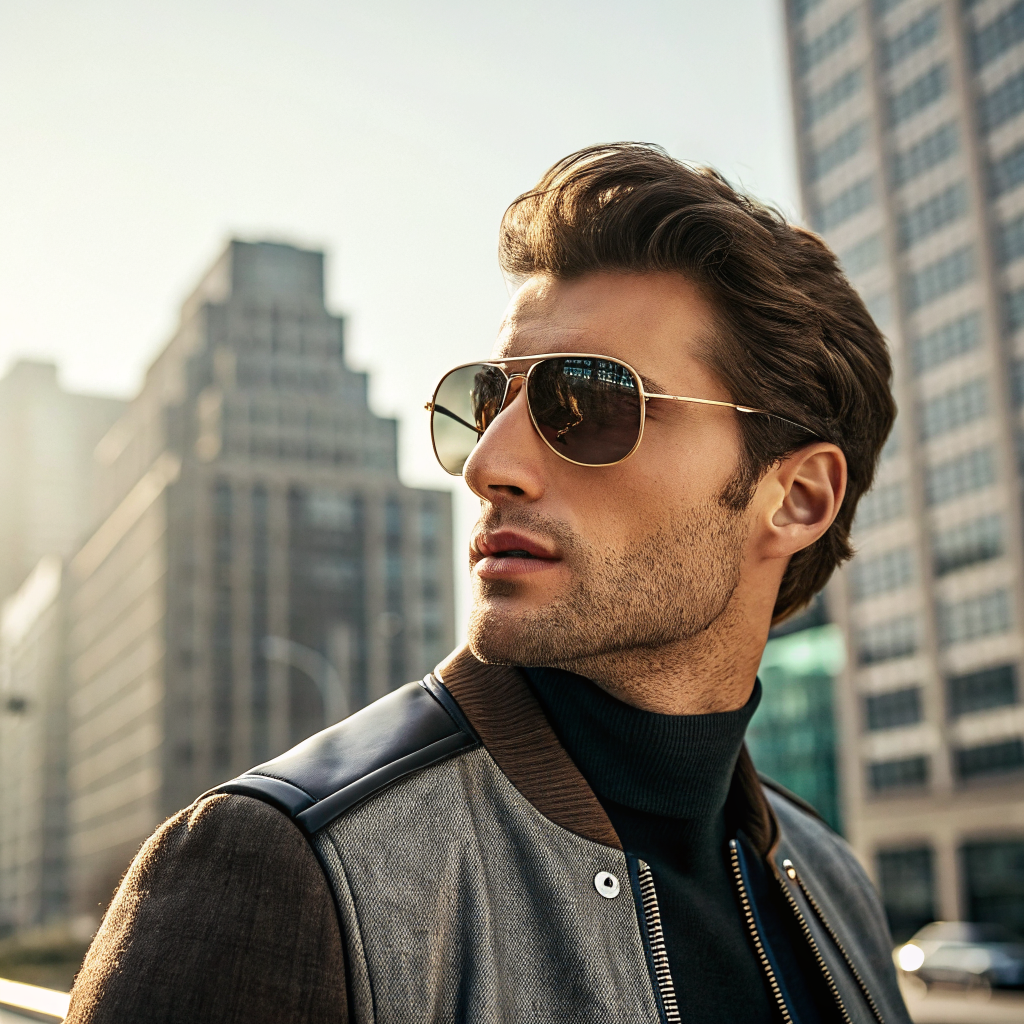
Design Language: What Defines Luxury Eyewear at This Price Tier
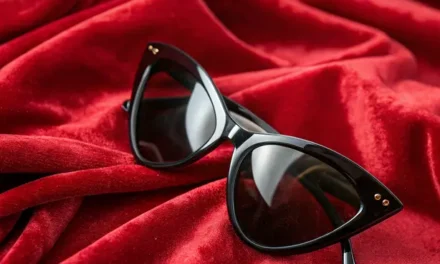
At the premium end of the independent retail market, luxury eyewear is distinguished less by logo placement and more by silhouette engineering and material honesty. The frames stocked by platforms in this category — ranging from architectural cat-eye profiles to understated aviator variants — reflect the design vocabularies of their source brands rather than any single house aesthetic. Hardware detailing, hinge construction, and acetate translucency are the observable markers that separate a genuinely premium frame from an aspirational one.Luxury reading glasses occupy a specific niche within this design space: frames that must perform optically while remaining visually coherent as standalone objects. Not every silhouette scales well from sunwear to a reader — narrow lenses lose their structural logic when fitted with correction, and oversized frames can become unwieldy at higher prescriptions. Independent retailers that carry dedicated luxury reading glasses collections must curate with this constraint in mind, selecting shapes that retain proportional integrity across both categories.Within the segment covered by Aureclip and GM Eyewear, the design positioning sits broadly between accessible contemporary luxury — think current-season collections from European houses — and classical frames that resist seasonal trend pressure. Compared to mono-brand boutiques at equivalent price points, the independent model offers breadth over depth: more labels, fewer exclusive or limited models. Luxury reading glasses selections at independent retailers typically cover the major optical-compatible silhouettes from each brand stocked.Materials and Craftsmanship: Under the Surface
Frame construction in the luxury eyewear category stocked by independent retailers typically involves Italian or Japanese acetate — milled from Mazzucchelli or Takiron sheet stock — alongside beta-titanium and surgical-grade stainless steel for metal constructions. Spring hinges are standard at this price tier, with barrel hinges reserved for entry-level offerings. Frame weight varies by construction: acetate models generally fall between 25g and 35g, while titanium frames can drop below 20g, a meaningful difference during extended wear.Lens specification across authenticated luxury sunwear at this level typically includes UV400 protection as a baseline standard — blocking wavelengths up to 400nm, which covers both UVA and UVB. Lens materials range from CR-39 organic glass (favoured for optical clarity and prescription compatibility) to polycarbonate (impact-resistant, common in sport-adjacent silhouettes). Anti-scratch and oleophobic coatings are standard on mid-to-upper tier models; polarization is available across most major collections but not universal across every colourway.Build quality assessment based on available review data is broadly affirmative. Verified buyers report satisfaction with both quality and style, as reflected in the aggregate 4.2/5 rating across platforms. The review data does not flag any specific construction defects or durability failures. The primary limitation noted in the data is the relatively low volume of reviews, which means long-term durability patterns cannot yet be conclusively assessed from customer feedback alone.Luxury Eyewear Brand: The Ownership Experience
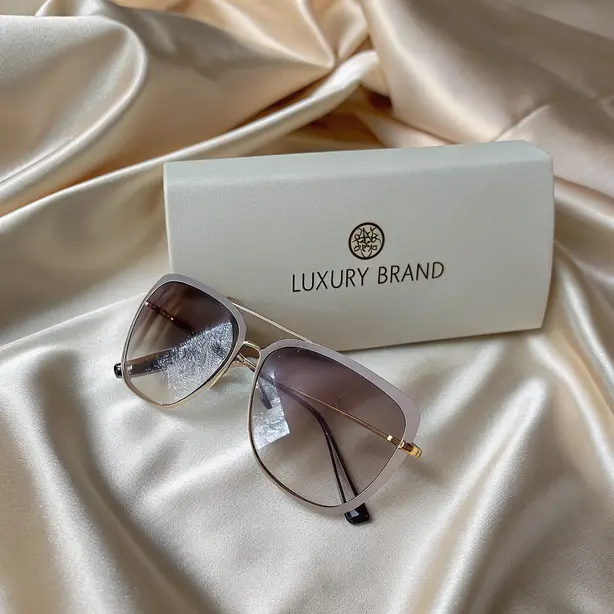
Consider the practical reality: a frame purchased through an independent luxury eyewear brand retailer arrives in branded packaging, typically with a hard case, cleaning cloth, and authentication card. Day-to-day use across driving, outdoor activity, and urban wear is where the lens category matters — polarized lenses reduce glare on reflective surfaces, while Category 3 lenses cover most standard daylight conditions without affecting colour perception significantly. The purchase channel affects post-sale support as much as the frame itself. The buyers most drawn to independent luxury eyewear brand platforms tend to be those seeking authenticated designer frames at competitive pricing, or collectors sourcing discontinued colourways outside the official retail network. In terms of face-fit suitability, oval and oblong faces accommodate the widest range of frame geometries stocked by multi-brand platforms; strong angular features typically suit rounder frames, while softer face structures benefit from rectangular or geometric silhouettes. Specific model selection is brand-dependent rather than retailer-determined. As a category, luxury eyewear purchased through independent retailers delivers the same optical hardware as boutique purchases — the variables are service, returns policy, and warranty handling.Comfort across extended wear is largely a function of fit at point of purchase — nose pad adjustability and temple arm length are the key parameters. Metal frames with adjustable nose pads offer the most precise fit calibration, while acetate frames with fixed nose bridges require trial fitting or professional adjustment. Head circumference varies considerably; most adult frames accommodate a 54–58mm lens bridge, with wider fits available at specialist request.Among the limitations noted in the review data: the authorization status of some independent resellers is described as uncertain, which buyers considering warranty claims should investigate prior to purchase. This observation comes directly from the cons data and represents a practical consideration rather than a reflection on product quality itself.
Customer Ratings: What 6+ Verified Buyers Report
| Platform | Rating | Reviews |
|---|---|---|
| Aureclip – Buy Luxury Sunglasses | ★★★★☆ 4.2/5 | 6 |
| GM Eyewear – Independent Luxury Retail | ★★★★☆ 4.2/5 | N/A |
What Real Buyers Are Saying
These reviews are pulled directly from verified purchase platforms to represent the range of real ownership experiences available in the current data set.“I recently ordered sunglasses from Lenskandy and I’m genuinely impressed with the quality and style of these luxury eyewear pieces”
Pros & Cons at a Glance
✅ Strengths
- Authenticated luxury sunglasses are available through these retail platforms, providing buyers access to verified designer frames.
- Independent reseller options exist for major designer brands, offering broader selection than single-brand boutiques.
- Ratings of 4.2/5 appear consistently across both platforms reviewed, indicating reliable buyer satisfaction at the product level.
- Specialized luxury eyewear collections — including sun and optical categories — are curated for buyers seeking premium-tier frames.
⚠️ Limitations
- The current review volume is limited to 6+ verified submissions, which restricts the depth of pattern analysis available to prospective buyers.
- The authorization status of certain independent resellers is uncertain; buyers should confirm warranty eligibility with the source brand before purchasing.
- Detailed customer feedback on specific aspects — fit, lens performance, after-sale service — is insufficient in the current data set for granular evaluation.
Our Verdict on Luxury Eyewear Through Independent Retail
Independent retail platforms operating in the luxury eyewear segment deliver a functionally coherent proposition: authenticated designer frames, curated by category specialists, at pricing that reflects wholesale sourcing rather than boutique margin structures. The 4.2/5 aggregate rating across both platforms reviewed here is a concrete data point in favour of product integrity. The collections span sun and optical categories, with luxury reading glasses represented alongside sunwear.Buyers should factor in two documented limitations before committing: the authorization status of individual resellers warrants direct verification with the originating brand, particularly for buyers who anticipate requiring warranty service. Additionally, the current review volume — while consistently positive — does not yet provide the depth of buyer feedback necessary for a comprehensive evaluation of long-term ownership. Prospective buyers are advised to cross-reference platform policies on returns and authentication guarantees prior to purchase.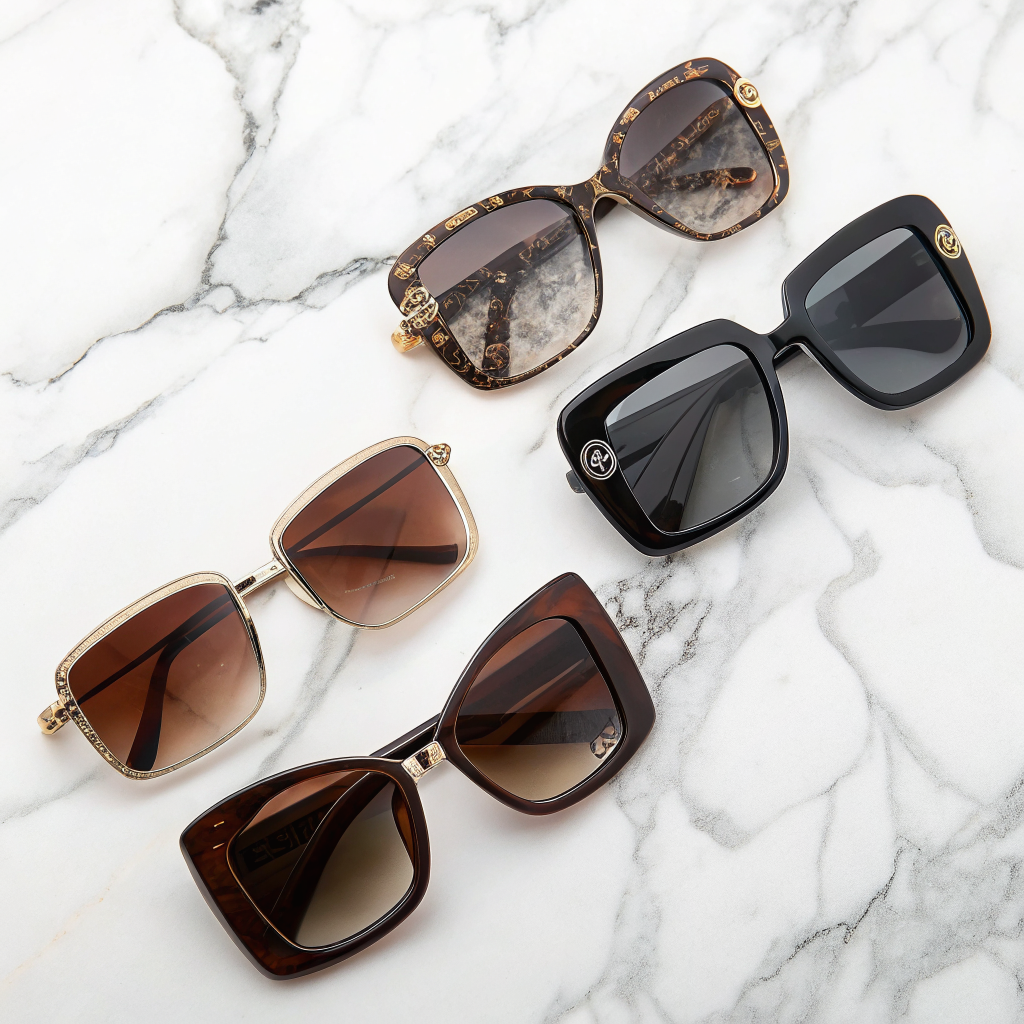
Explore More Eyewear Analysis
Browse our independent guides and expert reviews across every price range.Read More GuidesHow to Choose the Right Pair of Luxury Eyewear
Face shape is the primary filter. Oval faces have the most flexibility across frame geometries. Square and heart-shaped faces benefit from rounder or softer silhouettes to balance strong bone structure. Very narrow faces should avoid oversized frames that extend beyond the temporal width — the proportional result is unflattering regardless of brand or material quality.Budget reality in the mens designer sunglass sale segment breaks down approximately as follows: frames in the $150–$250 range typically offer Italian acetate construction with standard barrel hinges and CR-39 lenses; $300–$500 introduces spring hinges, premium lens coatings, and polarization options; above $500, titanium construction and hand-finished acetate become standard. Whether the premium is justified depends on how frequently the frames are worn and whether optical prescription fitting is required. For a detailed breakdown of men’s designer options across price tiers, our guide to men’s designer sunglasses: style and comfort covers the key decision points for buyers of luxury eyewear.Authenticity verification for frames purchased through independent retailers involves three practical checks: examine hinge screws for clean threading and consistent finish; inspect lens engravings (brand name or model code etched into the corner of the lens) under direct light; review packaging for correctly typeset brand materials — counterfeit packaging typically shows inconsistent font weight or incorrect logo geometry. Requesting an authentication certificate or proof of authorized supply chain documentation from the retailer prior to purchase is a reasonable step for frames above $300.The independent luxury eyewear retail market serves buyers who prioritize product access and pricing efficiency over the full boutique service experience. Platforms maintaining a 4.2/5 rating across verified buyer reviews represent a credible entry point into authenticated designer frames — with the caveat that review volume across the segment remains limited, and buyers exploring a mens designer sunglass sale environment should exercise standard due diligence on seller authorization before finalizing a transaction. Frames sourced through reputable independent retailers deliver the same optical specifications as boutique stock; the ownership experience beyond the product itself is where platform-to-platform variation is most likely to appear.“The 4.2/5 aggregate rating across independent luxury eyewear retailers confirms consistent buyer satisfaction at the product level — but with fewer than ten published reviews in the current data set, prospective buyers should treat this as a directional signal rather than a statistically robust verdict.”