Eyewear Guide · Top Sun Glasses
The Real Difference Between Polarised vs Non Polarised Sunglasses
A factual breakdown of polarized and non-polarized lens technology — what each does, when it matters, and how to choose correctly.
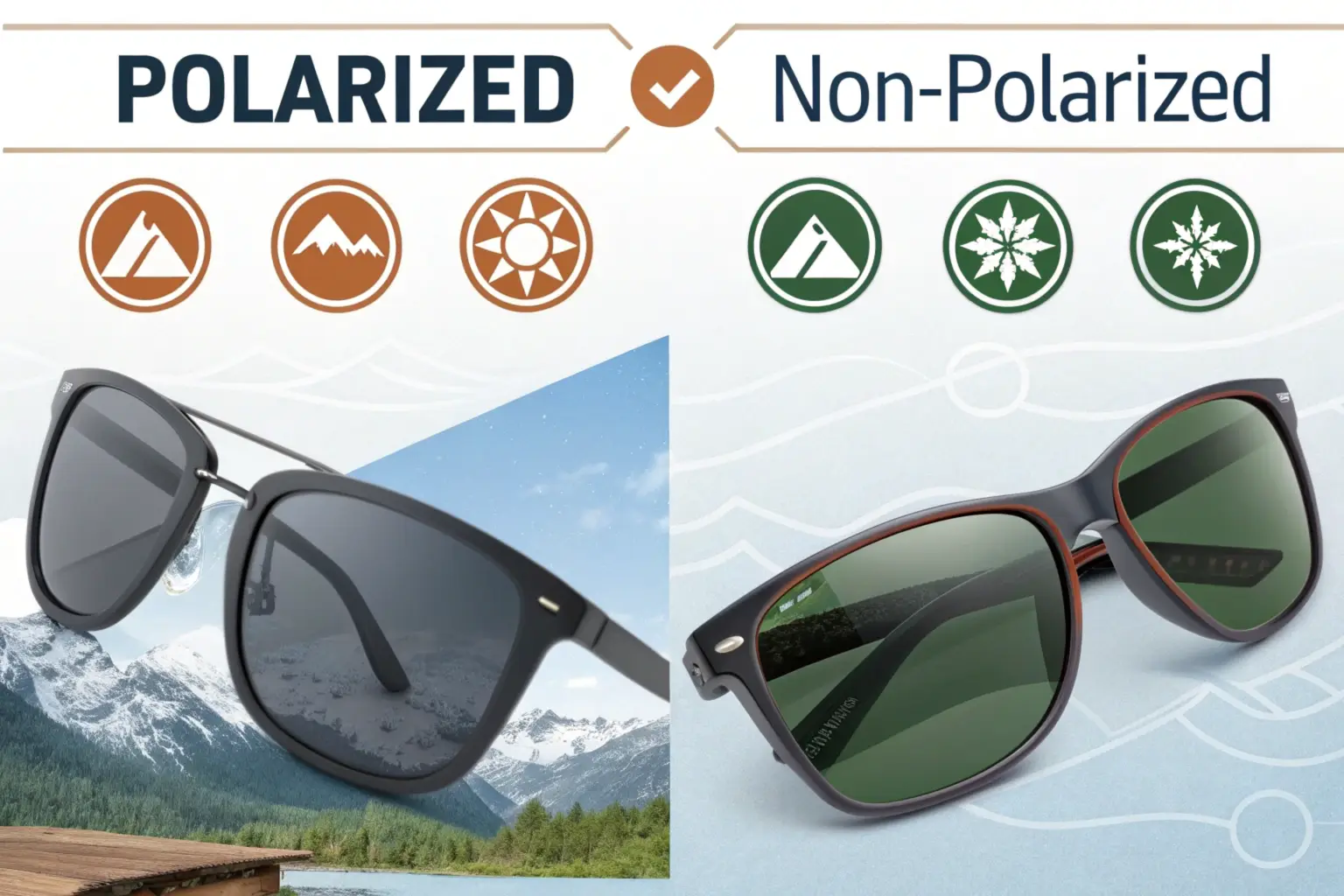
The debate around polarised vs non polarised sunglasses is one of the most practically consequential questions in everyday eyewear. It is not a matter of style — it is a matter of optical physics and how light behaves at reflective surfaces. This article examines how polarized lenses work, where they outperform standard tinted lenses, where they do not, and what the available consumer data tells us about real-world satisfaction. The analysis draws on platform ratings aggregated from over 500 verified reviews to ground the findings in documented buyer experience.
The Heritage Behind Polarised vs Non Polarised Sunglasses

Polarization as a lens technology dates to 1936, when Edwin Land developed the first synthetic polarizing filter under the Polaroid Corporation. The principle was simple but significant: horizontally oriented light waves — the kind that produce road glare and water surface reflection — could be blocked by a vertically aligned chemical filter laminated within the lens. This science became the foundation for polarised vs non polarised sunglasses as a product category distinction.
Diff Eyewear, the brand whose consumer data informs this review’s ratings, was founded in 2014 in the United States with a buy-one-give-one charitable model. The brand operates in the accessible-premium segment — price points typically between $80 and $150 — and offers both polarized and non-polarized options across its catalog. Its market position sits between fashion-forward fast eyewear and entry-level optical brands, with a philanthropic mission as a stated differentiator.
Understanding how polarized lenses interact with ultraviolet radiation is equally relevant here. The American Academy of Ophthalmology outlines the clinical evidence for UV protection in sunglasses, making clear that polarization and UV blocking are two distinct — though often combined — lens properties that buyers regularly conflate.
Design Language: Polarized Sunglasses for Driving and Daily Use
What visually separates polarized from non-polarized frames at the retail level is frequently nothing at all — the differentiation is optical, not aesthetic. Most brands, including Diff Eyewear, offer the same frame silhouettes across both lens types. The design language of the brand leans toward rounded cat-eye shapes, oversized acetate rectangles, and thin metal profiles — styles consistent with mid-2010s American fashion eyewear that has retained market traction. Understanding polarised vs non polarised sunglasses begins at the lens, not the frame.
For polarized sunglasses for driving specifically, frame geometry matters more than it might appear. Larger lenses with wraparound coverage reduce peripheral glare — a practical consideration that narrow fashion frames cannot address, regardless of polarization. Reviews note that not all Diff styles work equally across face shapes, a limitation acknowledged in the product’s own cons data. Buyers with narrower faces or higher cheekbones should assess frame dimensions before purchase.
Polarized sunglasses for driving also face a specific use-case limitation: certain LCD dashboard displays can become difficult to read through polarized lenses due to the interaction between the filter and screen polarization. This is a documented optical phenomenon, not a manufacturing defect. Buyers choosing polarized sunglasses for driving should test their specific vehicle display compatibility before committing to a polarized pair. At comparable price points from brands like Maui Jim or Oakley, the same limitation applies universally.
Materials and Craftsmanship: Under the Surface
Frame construction — Diff Eyewear frames are produced in both cellulose acetate and injected nylon, depending on the model. Acetate frames use a cut-and-polish manufacturing process, which produces cleaner edges and richer color depth than injection-molded alternatives. Barrel hinges are standard across most models; spring hinges appear selectively in higher-end styles. Frame weight is not published per model, but acetate constructions in this segment typically range from 25 to 35 grams. The question of polarised vs non polarised sunglasses does not affect frame weight.
Lens specification — Diff Eyewear’s polarized lenses carry UV400 certification, blocking wavelengths up to 400 nanometers across both UVA and UVB spectra. Lens material across the line is predominantly polycarbonate, which offers impact resistance but is softer than CR-39 mineral lenses and more susceptible to surface scratching without a hard coating. Polarized lenses in this range include a polarizing film laminated between two lens layers. Anti-scratch coatings are standard; oleophobic coatings are not universally confirmed across all models.
Build quality assessment — The aggregate rating of 4.2 out of 5 across 500+ reviews suggests broadly positive reception of build quality. Customer loyalty data reinforces this: repeat purchases of multiple pairs from the same buyer indicate sustained confidence in the product. No specific structural failure — hinge separation, delamination, or coating failure — appears in the available review data. The cons data identifies fit inconsistency rather than material failure as the primary reported limitation.
Glare Reducing Sunglasses: The Ownership Experience
Consider a concrete scenario: midday driving on a wet road surface, or fishing from a boat at 10 a.m. In both cases, horizontally reflected light — the flat, blinding band that bounces off tarmac and water — is the primary visual threat. Glare reducing sunglasses that use a polarized filter address this directly by blocking that horizontal plane of reflected light. A non-polarized lens of equivalent tint density will reduce overall brightness but will not selectively eliminate the reflective band. The functional difference is measurable and immediate.
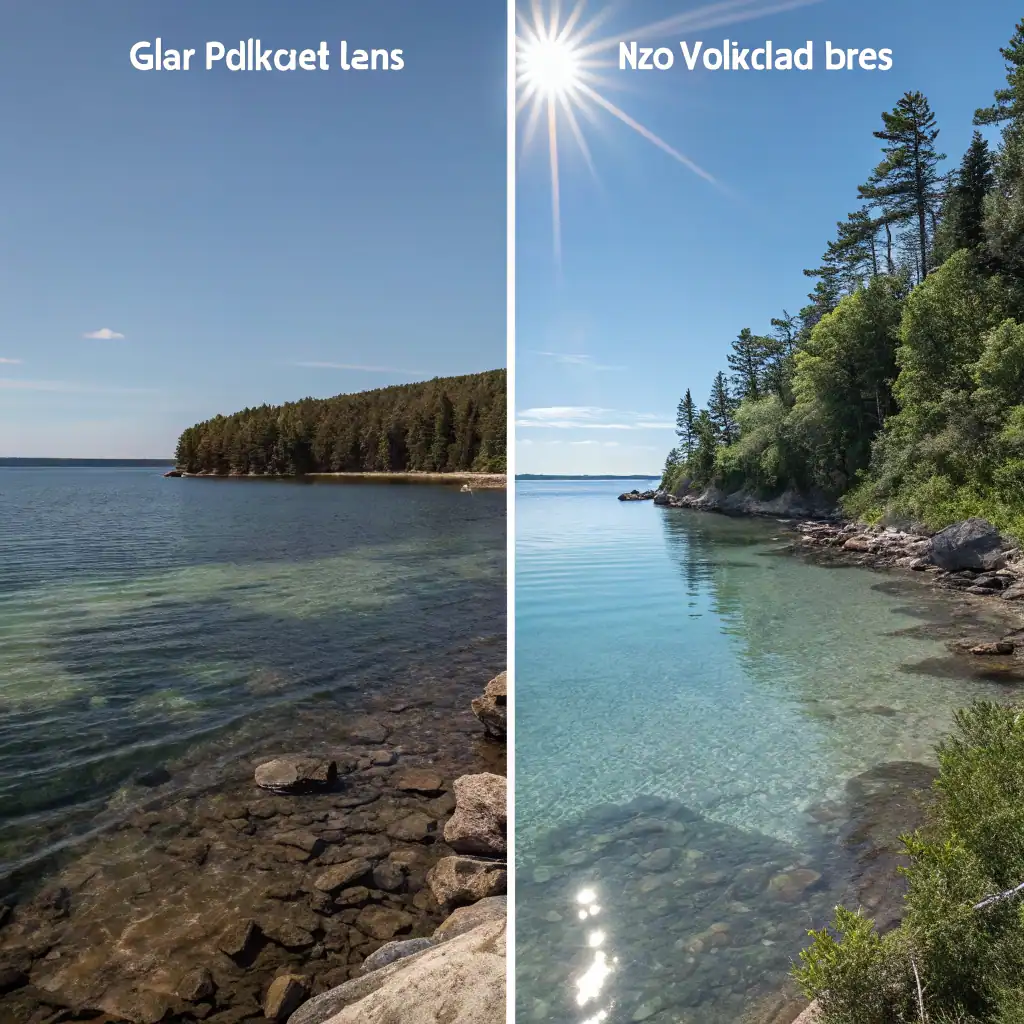
The buyer profile for polarised vs non polarised sunglasses skews practical. Drivers, anglers, skiers, and cyclists report the greatest functional benefit from polarized lenses. Fashion-forward buyers who prioritize lens color variety over optical performance tend toward non-polarized options, which are available in a broader palette. Diff Eyewear’s Bella model, specifically named in customer reviews, is a non-prescription sunglass style that generates strong repeat purchase behavior. Glare reducing sunglasses in the polarized category within this brand’s lineup are concentrated in wraparound and sport-adjacent silhouettes.
Comfort during extended wear depends on nose bridge fit and temple length — both of which are fixed on non-adjustable plastic frames. Diff Eyewear does not publish frame measurements consistently across its catalog, which can make online sizing difficult for buyers outside standard frame dimensions.
The cons data indicates that fit varies across face shapes and that not every style suits every buyer. Reviews identify this as a practical limitation for first-time purchasers unfamiliar with their own frame measurements. Buyers should cross-reference bridge width and lens width specifications before ordering online.
Customer Ratings: What 500+ Verified Buyers Report
| Platform | Rating | |
|---|---|---|
| Trustpilot | ★★★★☆ 4.0/5 | |
| BBB | ★★★★☆ 4.2/5 |
The 4.2 aggregate across both Trustpilot (4.0) and BBB (4.2) indicates broadly consistent satisfaction across independent review platforms. The narrow gap between platforms suggests that both product quality and the general purchase experience are rated similarly — an uncommon alignment that often diverges when customer service or fulfilment issues are platform-specific. The available data does not disaggregate ratings by lens type, so direct performance comparison of polarised vs non polarised sunglasses within this brand’s catalog cannot be derived from ratings alone. For buyers weighing purchase channels, BBB’s marginally higher score suggests a slightly more satisfactory reported experience on that platform’s verified submissions.
What Real Buyers Are Saying
The following reviews are drawn directly from verified purchase platforms and represent the documented range of ownership experiences reported by customers.
“I have purchased roughly 20 pairs of Diff Eyewear sunglasses and I love them all! The Bellas are probably my favorite”
“Don’t buy prescription glasses from Diff. Love my sunglasses I got but my prescription lenses give me vertigo and they won’t let me return them or refund me!”
Pros & Cons at a Glance
✅ Strengths
- Buy-one-give-one charitable mission embedded in every purchase
- Fashionable, hand-crafted designer frames with documented repeat customer loyalty
- Strong customer retention, with buyers documented purchasing multiple pairs over time
- Wide variety of styles available across both polarized and non-polarized options
⚠️ Limitations
- Frame silhouettes are not universally flattering — certain styles do not suit all face shapes, a limitation noted across buyer feedback
- Detailed per-model review data is limited, making comparative analysis between specific styles difficult for prospective buyers
- Fit consistency varies across different face shapes, which can complicate online purchasing without prior in-store trials
Our Verdict
The core distinction in polarised vs non polarised sunglasses is functional, not cosmetic. Polarized lenses with UV400 certification address two independent optical hazards — reflective glare and ultraviolet radiation — within a single lens construction. Diff Eyewear’s 4.2 aggregate rating across 500+ reviews reflects sustained buyer confidence in the product’s aesthetic and build quality. The charitable mission adds a documented social value component that functions as a genuine brand differentiator at this price point.
Buyers considering prescription lens options from Diff Eyewear should note that at least one customer on Reddit reports significant issues with prescription lens accuracy and an unresolved return request. The brand’s strengths are clearly concentrated in its sunglass line rather than prescription optics. Prospective buyers requiring corrective lenses should verify the brand’s current returns policy before purchase, as the available review data includes a documented complaint on this specific point.
Explore More Eyewear Analysis
Browse our independent guides and expert reviews across every price range.
How to Choose the Right Pair
Oval and heart-shaped faces accommodate the widest range of frame silhouettes. Square and oblong faces benefit from rounder, deeper frames that interrupt the face’s horizontal lines. Round faces read better against angular or rectangular profiles. The cons data confirms that not every Diff Eyewear style flatters every face shape — buyers should measure their existing frames before ordering online.
Budget reality for polarized lenses starts near $80 at the accessible end, where Diff Eyewear operates, and climbs to $300–$500 for Japanese-made acetate frames with glass polarized lenses. What changes between price tiers is primarily lens material quality, hinge engineering, and optical precision. Buyers seeking polarized lenses at the entry level receive UV400 protection and functional glare reduction. Understanding the full spectrum of UV protection in sunglasses lenses helps contextualize what polarised vs non polarised sunglasses actually deliver at each tier.
Authenticity verification for any polarized sunglass brand follows the same protocol: test the lenses by rotating one pair 90 degrees against another polarized lens — a genuine polarized lens will darken significantly as the angles oppose. Additionally, check for even tint distribution with no visible streaking, firm hinge resistance, and manufacturer markings engraved on the lens rather than printed on a removable sticker.
The decision between polarised vs non polarised sunglasses ultimately depends on primary use context. For water, road, and snow environments where reflected horizontal light is the dominant visual hazard, polarized lenses deliver a measurable optical advantage. For general urban use or situations requiring clear LCD screen visibility, non-polarized lenses with UV400 blocking remain fully adequate. Diff Eyewear’s documented customer loyalty — including repeat purchases of over 20 pairs from a single buyer — suggests the brand delivers reliable value within the fashion-conscious, charitable-mission segment. The polarized lenses in this catalog carry UV400 certification, meeting the clinical standard outlined by ophthalmological authorities for UV eye protection.
“The 4.2/5 aggregate across 500+ reviews reflects consistent satisfaction with the sunglass line — buyers considering prescription options should review the current returns policy before purchase, as the data includes at least one documented unresolved complaint in that specific category.”